

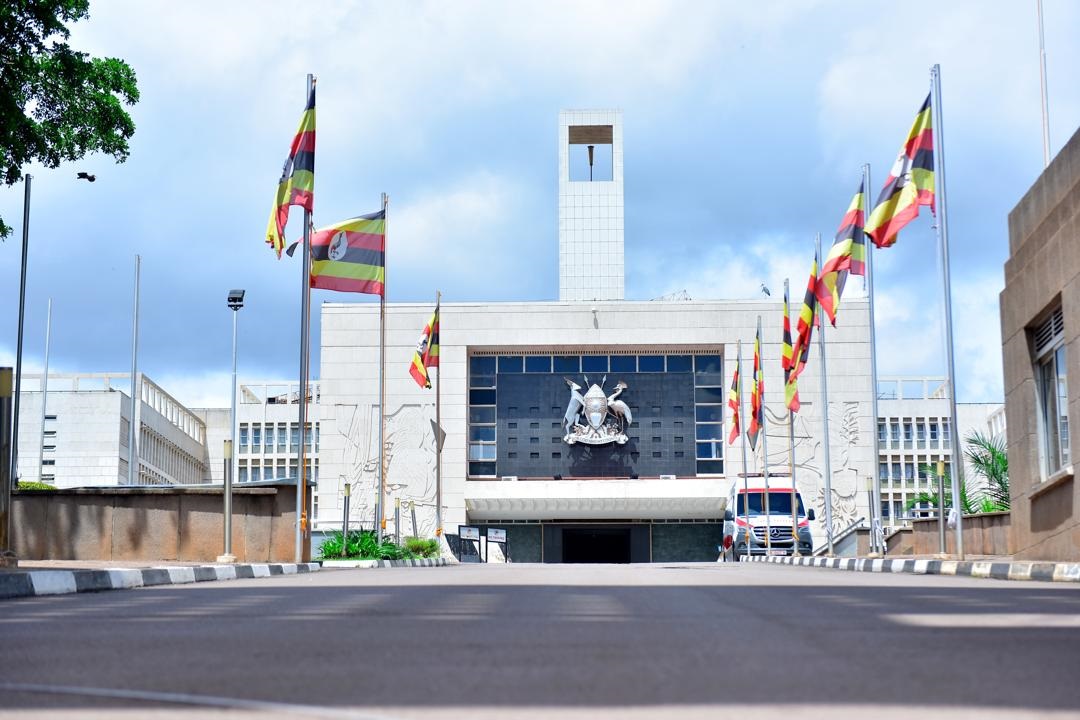
As Uganda prepares for the 12th Parliament, set to commence in June, political parties are equipping their members for the new legislative term. However, concerns are emerging over the quality of debate in Parliament, given the National Resistance Movement’s (NRM) overwhelming majority.
Following the January elections, the NRM secured 369 seats, giving it the numbers to pass decisions without relying on other parties. To further consolidate power, the party has signed a memorandum of understanding with about 30 independent MPs to collaborate in the 12th Parliament.
Analysts warn that this dominance risks undermining Parliament’s integrity, turning it into a rubber-stamp body rather than a forum for meaningful debate.
Speaking to Nile Post, political scientist Sabastiano Rwengabo said, “Whenever a political party has majority members in Parliament, they tend to use those numbers to undermine parliamentary debate by passing legislation without sufficient discussion.”
Kira Municipality MP-elect George Musisi echoed these concerns, citing instances where MPs approved controversial resolutions after caucus meetings.
“Just like with the UPDF amendment bill 2025, NRM MPs passed the bill without amendments because it was agreed in the party caucus. This is not how Parliament is supposed to work,” Musisi said. “Decisions should be debated in the House, not pre-determined outside it.”
NRM leadership, led by Secretary General Richard Todwong, maintains that the legislative process will remain robust.
“We encourage our members to legislate based on facts from their communities. This ensures decisions reflect the voices of ordinary people and counters any misinformation the opposition might raise,” Todwong said.
He added that the party’s large number of MPs reflects the trust Ugandans have placed in it and insisted that decisions made by the NRM will represent the people’s interests.
Todwong also claimed that the opposition lacks substantial issues to raise, as the government has already addressed key national concerns.
The National Unity Platform (NUP) leads the opposition, while smaller parties including the Democratic Party (DP), Uganda People’s Congress (UPC), Forum for Democratic Change (FDC), Alliance for National Transformation (ANT), and People's Progressive Party (PFP) hold a handful of seats each.
